Why a Crypto Payment May Fail an AML Check
“I am sending money from my own wallet. Why is the payment blocked?” This is a common question among people who use cryptocurrency to receive payments, buy USDT, and pay for goods or services.
A payment service checks more than the transfer itself. It also checks where the funds came from and the past activity of the sender’s wallet. Even money you received for normal work or a sale may raise questions when you use it.
These checks are part of AML, which stands for Anti-Money Laundering. Services also check whether sanctions apply.
This affects everyone in the SMM panel business: owners who accept crypto from customers, owners who pay for their panel in crypto, and customers who top up a panel balance with crypto.
Cryptocurrency Has a Transaction History
When you receive cryptocurrency, its previous transaction history does not disappear. Public blockchains keep records of transfers. Special analysis tools help services identify connections between funds, wallet addresses, and platforms.
For example, a customer pays you for your services. You receive USDT in your personal wallet and later use it to pay an invoice. However, your customer withdrew the funds from a platform under sanctions. The receiving service identifies this connection and may stop your payment.
You may know nothing about this history. But the service checks both how you received the money and where it came from before that. It may consider the history of the funds being sent and earlier activity in your wallet.
People sometimes call cryptocurrency with this type of history “dirty crypto.” This is an informal term. A risk warning does not prove that the wallet owner has broken the law. However, it may lead to a payment delay and a request for documents.
Moving funds through another wallet you own does not remove their history. The transfers remain visible. If your wallet was previously linked to a payment provider or funds associated with sanctions, stolen funds, fraud, or other high-risk activity, it may also be considered high-risk and cause the payment to be blocked.
Why Do Some Services Accept a Payment While Others Block It?
Services use different analysis tools, settings, and rules. One service may already have information about a risky address, while another has not updated its database. One may check a longer chain of transfers, while another may assess the same connection differently.
Some platforms also carry out limited checks or ignore high-risk activity. Their users may become used to making payments without questions. However, this does not mean that another service will accept the same funds. For major regulated exchanges and payment companies, AML checks are a required part of their work.
This explains why one service may accept a payment while another stops it. Regulated companies follow a similar basic approach: they check the source of funds and follow the restrictions that apply to them. The details of their checks can differ.
If the problem comes from the history of the funds or the sender’s wallet, changing the recipient’s payment service does not remove that history. Acceptance by one service does not guarantee acceptance by another.
A wallet’s risk rating can also change later. For example, you received a transfer a year ago, and it raised no concerns at the time. Later, analysts connected the sender’s address to a theft, or the platform involved became subject to sanctions. That old transaction may now affect your wallet’s risk rating, even if you have rarely used the wallet since then.
This does not automatically make the old transfer illegal. However, it explains why previous successful payments do not guarantee that the next payment will pass a check.
Payment Services and Refunds
For licensed payment companies, checks are a normal part of their service. European providers, in particular, may have stricter procedures than platforms that previously asked few questions. They may request proof of identity, information about the sender, and documents showing the source of funds. EU rules include these requirements. Other countries have their own rules with similar goals and questions.
You should not assume that rejected funds will be returned immediately. Some services allow a refund after a review. Others may hold the funds while they investigate. If funds are frozen because of sanctions, the service may need permission from the relevant authority before returning them. Coinbase’s terms describe this type of restriction.
It is better to resolve questions about the source of funds before sending them, while you still control the money.
How to Check Your Wallet Before Paying
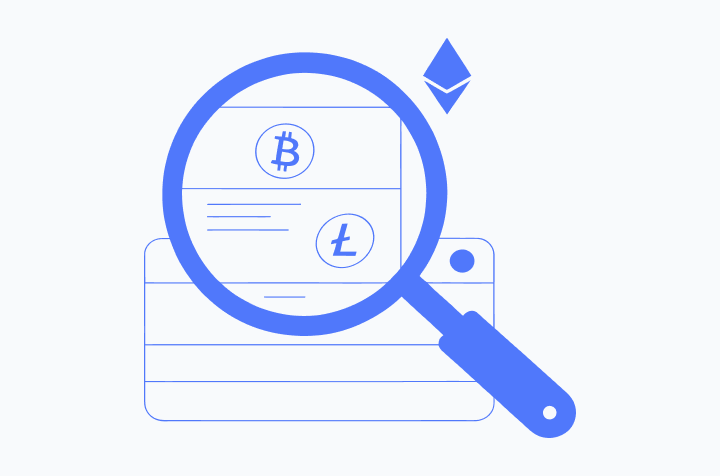
You can use an AML screening service to check a wallet in advance.
Choose the service carefully and watch out for scams. Never share your seed phrase or private key, and do not give permission to spend your tokens. A public address check does not require any of these.
If someone offers to “clean” your wallet in exchange for a payment or access to it, stop communicating with them.
To run a check, copy the public address of the wallet you plan to pay from. Select the correct blockchain network and start the check.
Read the details in the report, not just the main number or colour. Check what caused the warning. Look for connections to sanctions, stolen funds, or fraud. Also check whether the connection is direct or involves other addresses.
What risk level is acceptable?
A low risk rating with no serious warnings is the preferred result. A medium rating needs further review before payment. A high rating is a reason to delay the transfer and understand the problem.
There is no universal acceptable score. Services use different scales and limits. A sanctions warning may matter more than the overall score. A risk percentage also does not mean that the same percentage of your money is illegal.
If the result is unclear, send the report to the receiving service’s official support team and ask about its requirements before paying.
You should also check addresses you receive money from, especially when dealing with a new customer or business partner. Update old reports before important payments because the available information may have changed.
Two habits can help if a payment requires a review:
- Keep records of crypto purchases, exchanges, invoices, and messages about transactions. You should be able to explain where the funds came from.
- If a payment is stopped, save its transaction ID, also called a TxID, and contact official support. Ask about the reason, the required documents, and the refund process before sending another payment.
The recipient may know you as a regular customer. However, the payment service also checks the history of the money used for payment. As the sender, you need to understand the source of your funds and your wallet’s history, regardless of which payment service the recipient uses.
What This Means for SMM Panels
For SMM panel owners and their customers, the points above lead to a few practical conclusions:
- Customer payments carry their history. Crypto your customers pay with may come from sources you know nothing about. That history can surface later, when you use the money to pay a provider or a subscription, or withdraw it to an exchange.
- Moving funds between your wallets won’t clean them. The transfers stay visible, so the risk moves with the money.
- A payment accepted today can be blocked tomorrow. One gateway may accept funds that another service later stops, and a wallet’s risk rating can change over time.
- The gateway you use matters. If a gateway is under sanctions or linked to high-risk activity, funds that pass through it may be flagged later. Check its status and how it handles AML before connecting it.
- Check new customers and partners. Screening the addresses you receive larger payments from helps you spot risky funds early.
If you are a customer topping up a panel balance with crypto, your payment can be held for the same reasons: the payment service checks the history of your funds and wallet, not just the last transfer.
FAQ
Why was my crypto payment blocked if I sent it from my own wallet?
The payment service checks the history of the funds and your wallet. If your wallet was previously linked to a payment provider or funds associated with sanctions, stolen funds, fraud, or other high-risk activity, it may also be considered high-risk and cause the payment to be blocked.
Will moving the funds to another wallet help?
No. Every transfer stays on the blockchain, so the history moves with the funds.
Why did the same payment go through before?
Services use different tools and rules, and risk ratings change over time. A past success is no guarantee for the next payment.
Will I get my money back if a payment is rejected?
It depends on the provider. Some refund after a review, others hold the funds, and sanctioned funds may stay frozen until an authority allows their release.
What AML risk score is acceptable?
Low risk with no serious warnings. There is no universal threshold, and a sanctions warning can outweigh the overall score.
How can SMM panel owners reduce the risk?
Check that your payment gateway is not sanctioned and how it handles AML.